
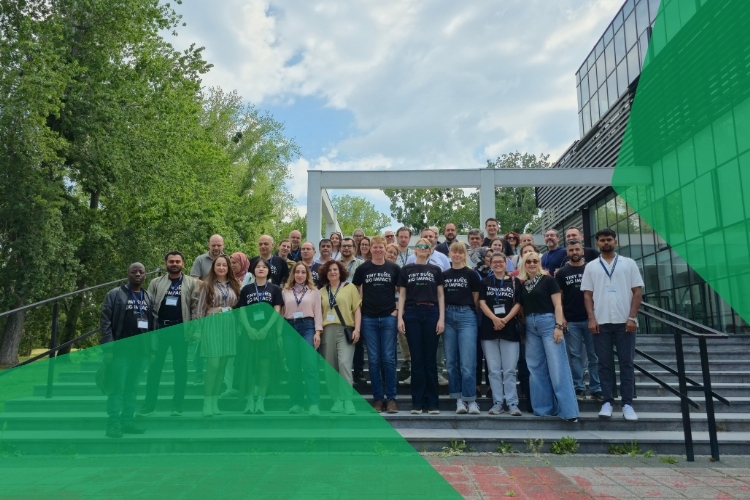
From 19 to 21 May 2026, Insect-IMP members gathered in Novi Sad, Serbia, for a three-day workshop dedicated to genotype-by-environment (G × E) and community (C) interactions in insect breeding. The meeting brought together researchers from insect, plant and animal breeding to exchange knowledge and explore how these interactions can be better understood and incorporated into insect breeding and production systems.
Organised within Working Group 3 (WG3), the workshop addressed genetic diversity, microbiome and diet interactions, phenotyping approaches and genetic evaluation. The programme also included a visit to an insect pilot farm and a Management Committee meeting to discuss the Action’s upcoming activities.
Scientific programme
The workshop featured invited presentations organised into four thematic sessions, combining research findings with discussions on practical challenges and potential solutions for sustainable insect breeding.
General examples of G × E in insects
Session chaired by Gertje Petersen
- Variability in the black soldier fly – Tom Generalovic
- Unveiling the Khapra beetle Trogoderma granarium: biology, behaviour and management of a global quarantine pest – Maria Boukouvala
- CRISPR-based gene silencing for Varroa resistance in honey bees and its implications for host–parasite G × E interactions – Kemal Karabag
Microbiome and feeding
Session chaired by Roel Meyermans
- Pathogen-driven microbiome modulation: the impact of Theileria infection on vector microbial communities – Veysel Bay
- Repeated feeding trials with black soldier fly lines on varied diets: setup and data processing challenges – Lotte Frooninckx
- The persistent influence of host lineage on the gut microbiomes of black soldier fly and yellow mealworm – Freek IJdema
- The role of standardised diet in the control for G × E interactions of BSF – Marco Tejeda
Overcoming G × E in phenotype definition and measurement
Session chaired by Mert Kükrer
- Phenomics as a novel way of overcoming / capturing G × E effects – Seth Murray
- Spectroscopic and hyperspectral-imaging based phenotyping approaches for nutritional composition in live BSF larvae – Frank Ssemakula
- Leveraging genotype by environment interaction for improving selection and crossing decisions in plant and animal breeding – Daniel Tolhurst
Modelling G × E in genetic evaluation
Session chaired by Jana Obšteter and Gertje Petersen
- Genetic parameters and genotype-by-diet interactions for growth traits in Australian black soldier fly larvae: implications for selective breeding – Kishor Bommalingegowda
Key insights from the workshop
The presentations and discussions highlighted several important challenges and opportunities for insect breeding:
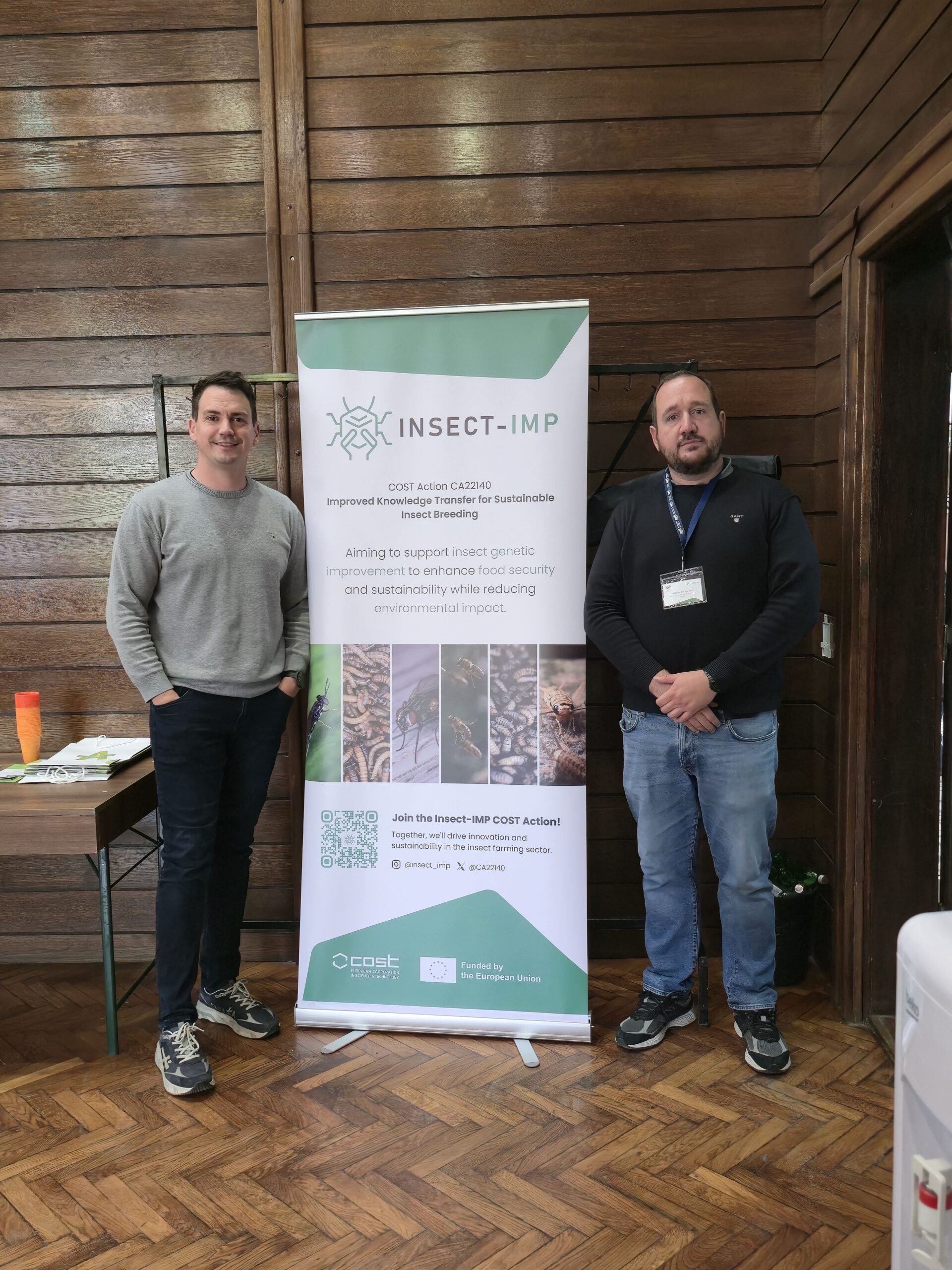
- A common understanding of G × E is needed. Terminology and concepts are not always used consistently within the insect-rearing community, highlighting the importance of developing a shared vocabulary.
- Genetic diversity remains underexplored. Farmed insects, including black soldier flies, may contain more genetic variation than currently recognised, while natural populations remain insufficiently studied.
- Standardised diets could improve comparability. Establishing common reference diets would help researchers evaluate different genetic lines under comparable conditions and better understand environmental effects on performance.
- Breeding goals need to be clearly defined. Breeding programmes must consider whether to select insects that perform consistently across different environments or those optimised for specific production conditions.
The discussions also led to a proposal for collaborative performance testing of different black soldier fly strains, beginning with the validation of a standardised diet across laboratories.
Connecting research and practice
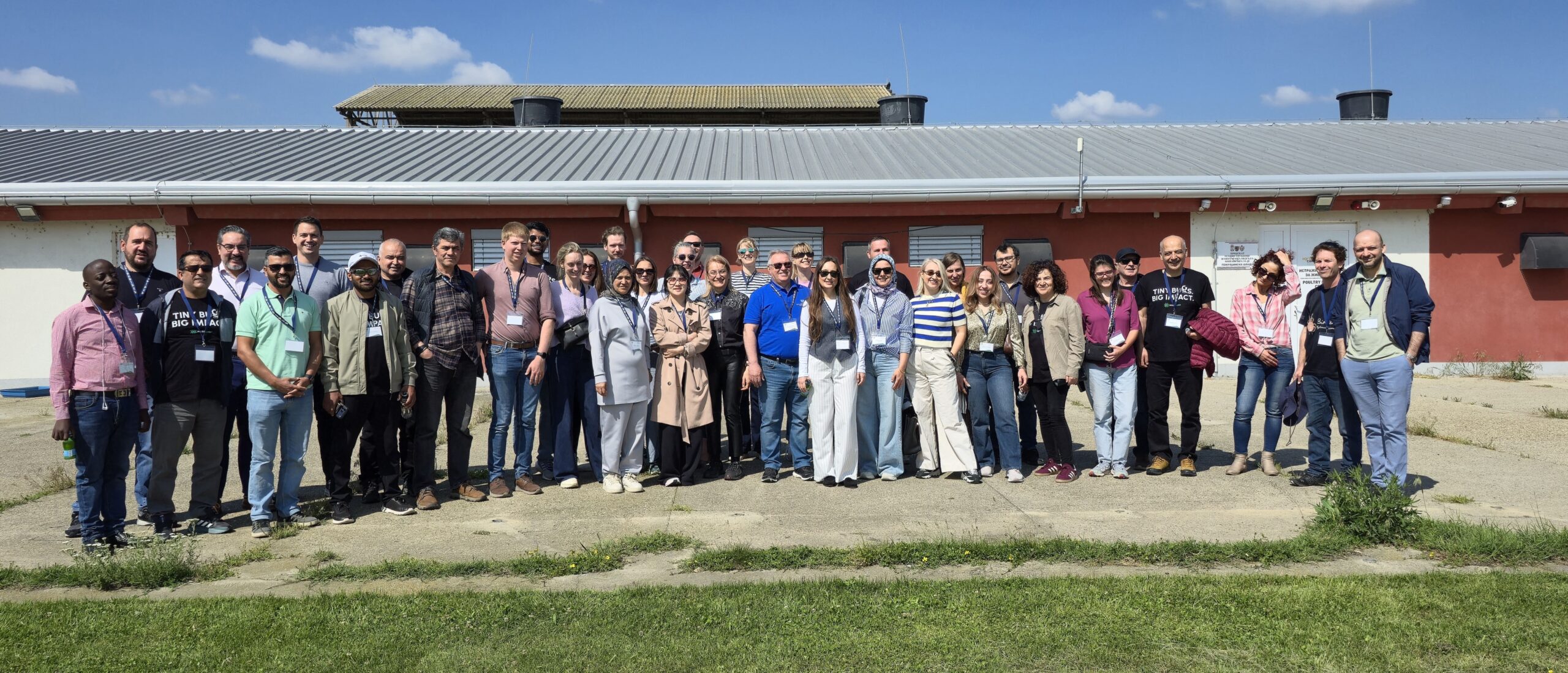
The programme included an excursion to an insect pilot farm, offering participants an opportunity to observe production conditions and connect scientific discussions with practical insect-rearing challenges.
The workshop concluded with an Insect-IMP Management Committee meeting, providing an opportunity to review progress and discuss upcoming activities.
The Novi Sad meeting demonstrated the value of knowledge exchange across species and research disciplines, supporting Insect-IMP’s objective of advancing sustainable insect breeding through international collaboration.
Further reading: